Sustainability is now a common term in the travel industry, appearing on hotel websites, in safari brochures, and in destination campaigns. As its use increases, it risks being seen as a checklist of features rather than a concept rooted in real places and communities.
Practical measures such as solar power, water conservation, refillable amenities, and cutting plastic waste are important. However, sustainability isn’t defined by a single initiative.
Destinations remain vibrant when people live, work, preserve traditions, and share stories among generations. Communities need opportunities and support for local heritage, and tourism is most effective when it strengthens existing assets rather than only lessening its impact.
This broader approach toward sustainability is increasingly evident in Southern Africa, where some lodges invest in local livelihoods, protect cultural heritage, and promote meaningful connections between visitors and destinations.
This results in tourism that focuses on long-term commitment over a checklist of initiatives.
Drostdy Hotel: Preserving More Than Buildings
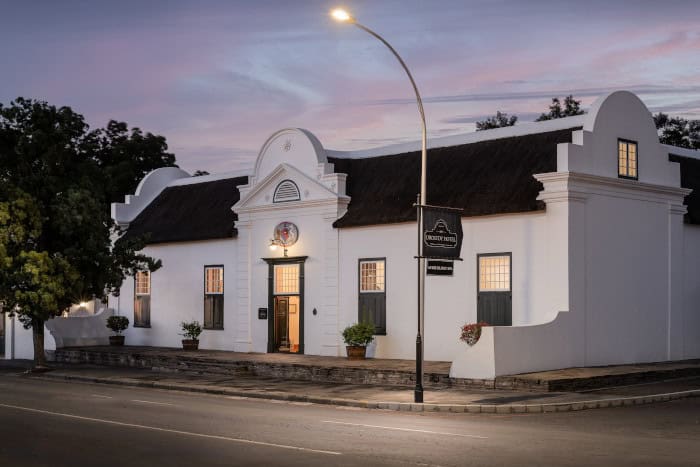
Historic preservation often focuses on buildings—restoring landmarks, protecting facades, and maintaining structures for future generations.
While important, a historic town also needs businesses that create jobs, visitors who support the local economy, and opportunities that encourage younger generations to stay and commit to their future.
Graaff-Reinet, one of South Africa’s oldest towns, demonstrates the equilibrium between preserving the past and investing in the future.
Located in the Karoo, Graaff-Reinet integrates history within daily life. Cape Dutch and Victorian architecture, museums, and heritage streets reflect centuries of transformation. The town’s appeal lies in its living heritage, not in isolated attractions.
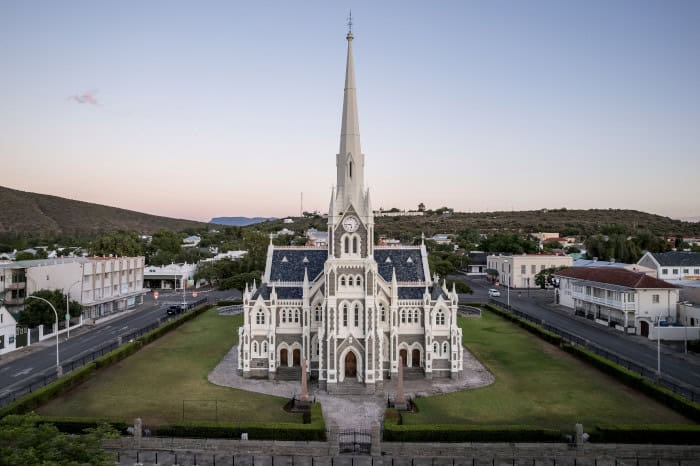
Drostdy Hotel is integral to this story. Established in the early nineteenth century, it remains closely connected to Graaff-Reinet, supporting local businesses and contributing to the community’s vitality.
A key example is the hotel’s partnership with the South African College for Tourism, where students receive practical hospitality training and career opportunities beyond the hotel. This demonstrates that sustainability involves both preserving the present and creating future opportunities.
For travelers, this community connection is central to the experience. Guests at Drostdy Hotel are within walking distance of museums, galleries, restaurants, and historic streets, encouraging engagement with the town before visiting Camdeboo National Park.
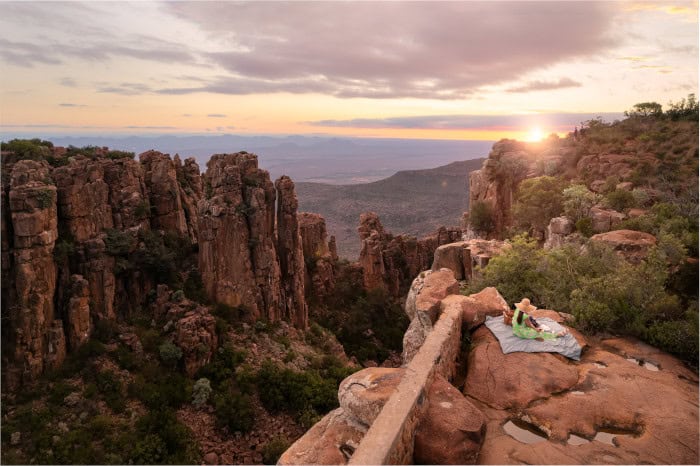
The hotel helps ensure Graaff-Reinet’s history continues through active support of local people and businesses.
Tsowa Safari Island: Learning the Rhythm of the Zambezi
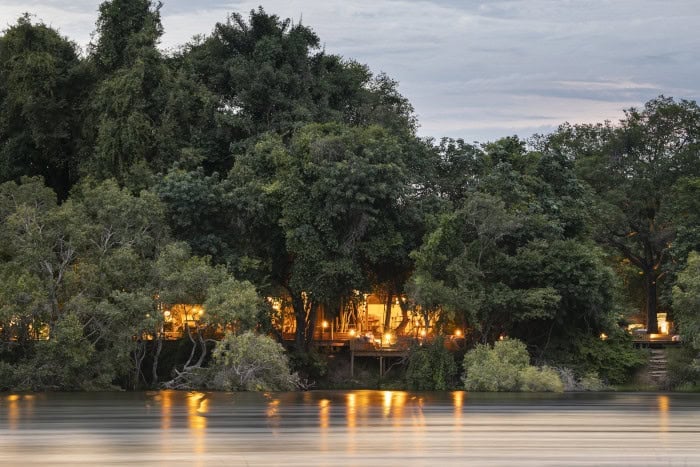
Many travelers associate the Zambezi River with Victoria Falls, where visitors gather annually to witness one of the world’s most impressive natural spectacles.
However, the Zambezi’s significance extends beyond the falls. At Tsowa Safari Island, emphasis changes from the waterfall to the river itself.
It’s a lodge tucked away within Zimbabwe’s Zambezi National Park. Set on a private island, the lodge is surrounded by waterways, floodplains, forests, and wildlife. It offers a tranquil alternative to the busy areas near the falls.
Guests arrive by boat, and the atmosphere transitions from the bustle of tourism to the natural sounds of the river and its surroundings.

Visitors spend time paddling quiet channels by canoe, drifting along on river cruises, or simply watching the landscape unfold from camp.
Wildlife sightings are part of the experience, of course, but they are not the sole focus. The river itself becomes the attraction.
Elephants drink along the banks, birds move through the forest, and sunlight reflects on the water. The escapade is unhurried and authentic, encouraging clients to observe the interrelated elements of the ecosystem.
This slower pace is central to Tsowa’s philosophy. Conservation begins through appreciation, which requires time. By encouraging immersion in the Zambezi’s rhythms, the lodge builds a deeper understanding of this vital natural system.
Here, sustainability is an instructive philosophy shaped by the landscape. The river determines the pace, wildlife shapes the experience, and activities arise inherently from the environment.
Rhino Ridge Safari Lodge: A Landscape That Changed the Fate of a Species
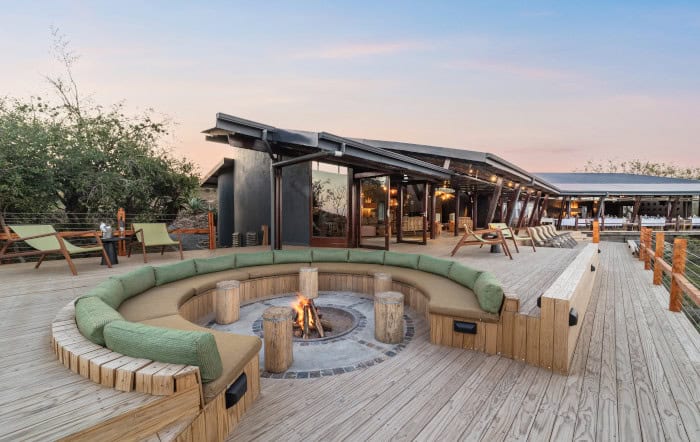
Some places are memorable for their sights, while others are significant for their history and the events that occurred before visitors arrived.
Rhino Ridge Safari Lodge is situated in Hluhluwe-iMfolozi Park, a protected area famous for its conservation legacy.
While many visit to see the Big Five, the park is most notable for saving the southern white rhino from extinction. A safari here offers the opportunity to experience this conservation success firsthand.
Game drives offer sightings of elephants, lions, buffalo, giraffes, and other species, while highlighting the ongoing need for conservation. Protecting wildlife is an ongoing partnership among parks, managers, and communities.
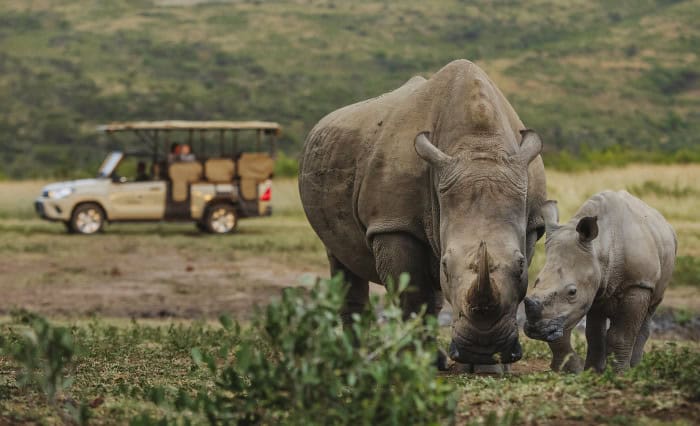
This commitment is clear at Rhino Ridge. The lodge, located on community land in Mpembeni, provides local employment and implements environmental initiatives such as solar power, rainwater harvesting, recycling, and cutting single-use plastics.
“It’s not separate from the reserve, but part of a wider push to make sure tourism benefits both the landscape and the people who rely on it.”
This demonstrates that meaningful safaris are not only about wildlife sightings, but also reflect decades of conservation, collaboration, and community investment that make these experiences possible.
Shiviko Kruger: Connecting Wildlife, Culture, and Family
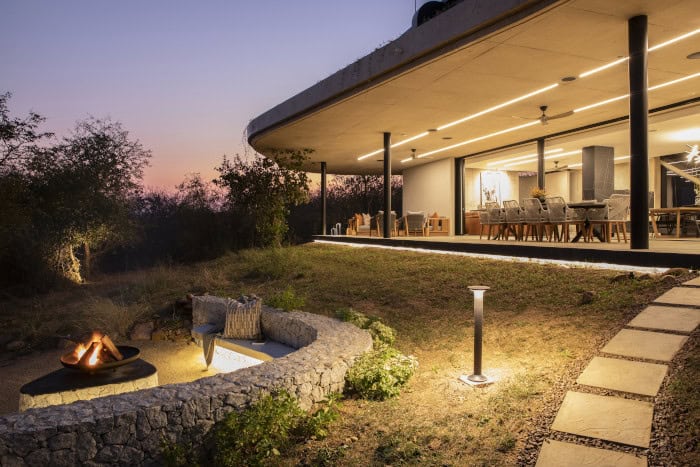
The Greater Kruger region often defines the image of an African safari. Its vast landscapes, diverse wildlife, and renowned conservation achievements make it one of the world’s most iconic safari destinations.
Yet conservation has never been only about the animals.
The areas around Kruger park are home to communities, traditions, artists, entrepreneurs, and generations of cultural knowledge. The elements are as integral to the region as its wildlife, and this broader perspective shapes the experience at Shiviko Kruger.
The safari experience at Shiviko Kruger is multi-layered. Wildlife is central, but guests also engage with stories of heritage, creativity, and local identity, leaving with a deeper understanding of the region’s people and cultures.
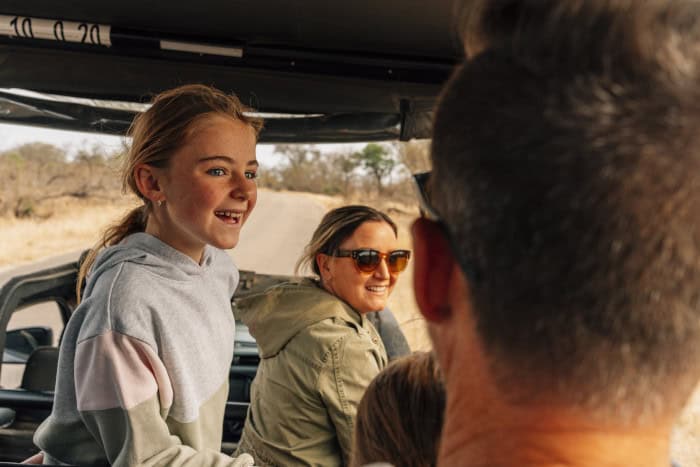
Shiviko additionally fosters family connections. Private guides, flexible schedules, and dedicated hospitality teams allow each group to experience the destination at their own pace, making sure all ages can interact deeply.
The experience goes beyond the national park. Excursions into the Lowveld introduce guests to landscapes, communities, and local initiatives that promote long-term conservation in the Greater Kruger region.
These activities highlight that a broader network of people and places sustains protected areas.
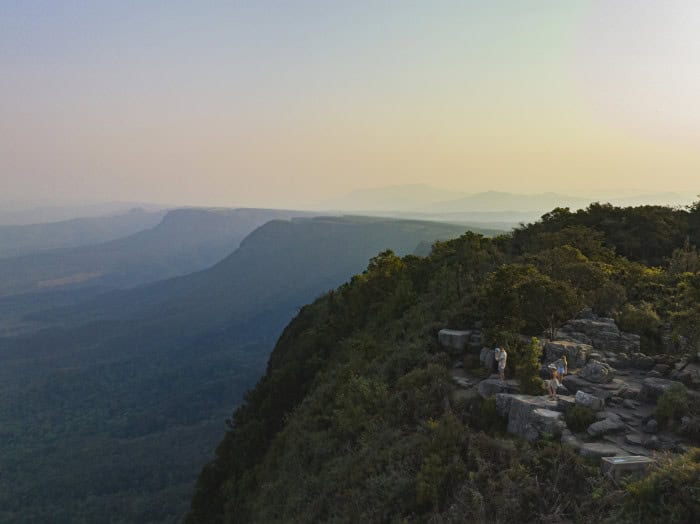
Shiviko illustrates that conservation is not exclusively about wildlife. Communities, cultures, and local economies are essential to protecting these landscapes for future generations.
Collectively, these lodges present a new perspective on sustainability in Southern Africa. Their efforts go beyond environmental impact to preserve cultural traditions, support local livelihoods, strengthen communities, and encourage travelers to connect profoundly with each destination.
This approach ensures that the landscapes, stories, and people that define these places remain thriving far beyond the journey ends.
Sustainability Goes Far Beyond Your Journey (As a Mom to a Young Son, I Know!)
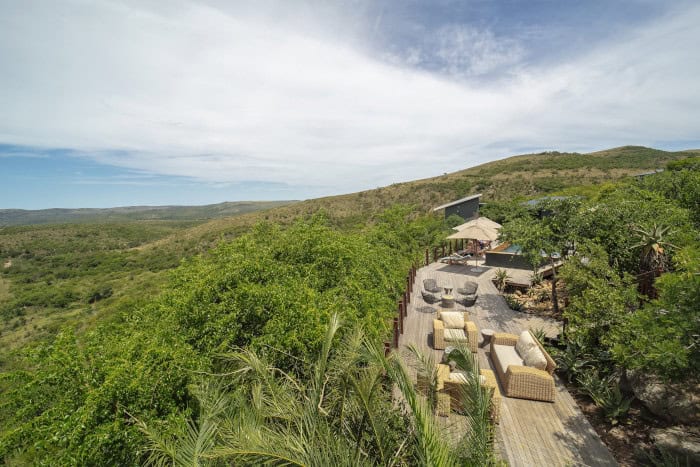
Where you stay, of course, makes a crucial difference to your holiday.
As someone who has been traveling professionally for almost two decades, I know thoughtful travel can support conservation, celebrate local cultures, and strengthen the communities that make Southern Africa such an extraordinary destination.
Being a mother of a three-year-old who already loves travel, I understand that by choosing a sustainable lodge, you’re creating a more meaningful connection to the places you visit and helping protect them for future generations.
And in an ever-developing world, nature like this is something we should not take for granted.